A reliable sump pump protects your home from basement flooding, especially in areas prone to heavy rainfall or high water tables.
Pedestal sump pumps, known for their durability and ease of maintenance, are an excellent choice for homeowners looking for long-term water management solutions.
In this guide, we review the best pedestal sump pumps on the market and provide essential factors to consider when making your purchase.
Comparison Table: Best Pedestal Sump Pump For Home Safety
Rank |
Product |
Horsepower |
Max Flow Rate |
Material |
Automatic Float Switch |
Best For |
Pros |
|---|---|---|---|---|---|---|---|
1 |
Superior Pump 92551 Cast Iron Pedestal Pump |
1/2 HP |
3,600 GPH |
Cast Iron & Stainless Steel |
Yes (Adjustable) |
Best Overall |
Durable construction, high flow rate, handles hot liquids, adjustable switch |
2 |
Zoeller 84-0001 Old Faithful 84 Pedestal Pump |
1/2 HP |
3,540 GPH (59 GPM) |
Cast Iron & Thermoplastic |
Yes (Adjustable) |
Best Premium Choice |
Commercial-grade quality, powerful motor, thermal overload protection, long lifespan |
3 |
Red Lion RLSP33PED Pedestal Pump |
1/3 HP |
3,300 GPH |
Reinforced Polypropylene |
Yes |
Best Budget Choice |
Affordable, rust-resistant, automatic operation, easy installation |
Best Pedestal Sump Pump Reviews
1. Superior Pump 92551 Pedestal Pump

- 1/2 HP Sump pump moves up to 3600-gallons per hour; Will handle liquids up to 180-degrees Fahrenheit

The Superior Pump 92551 1/2 HP Cast Iron Pedestal Pump is a dependable pedestal sump pump built for reliable water removal in residential basements and crawl spaces.
2. Zoeller 84-0001 Old Faithful Pedestal Pump

- Metal enclosed, split phase motor, permanently lubricated, thermal overload protected
The Zoeller 84-0001 Old Faithful 84 Pedestal Pump is a premium 1/2 HP pedestal sump pump built for dependable, long-term performance.
3. Red Lion RLSP33PED Pedestal Sump Pump

- APPLICATIONS: ideal for average-volume water removal in residential sump pits
Pedestal Sump Pump Buying Guide

A pedestal sump pump is an essential tool for protecting your basement from flooding. Unlike submersible pumps, pedestal pumps keep the motor above water, making them longer-lasting and easier to maintain.
But with so many options available, how do you choose the best one for your needs? We will walk you through all the key factors to consider before buying a pedestal sump pump.
What Is a Pedestal Sump Pump?
A pedestal sump pump consists of a motor mounted above the sump basin and a pump shaft that extends into the water. The design allows for easy access for maintenance and repairs, making it a great long-term investment for homeowners.
Ideal for:
- Homes with small sump pits
- Areas where flooding is occasional but not extreme
- People who want a low-maintenance sump pump
Key Factors to Consider
Motor Power (Horsepower – HP)
- ⅓ HP – Best for light water drainage and minimal flooding
- ½ HP – Ideal for moderate water accumulation and average rainfall
- ¾ HP or higher – Recommended for heavy flooding or large basements
🔹 Tip: If you live in an area with frequent rain, go for a higher HP motor for better water removal.
Construction Material
- Cast Iron – Durable and heat-resistant, but heavier
- Stainless Steel – Corrosion-resistant and long-lasting
- Thermoplastic – Lightweight and rust-proof, but less durable than metal
🔹 Tip: Cast iron pumps last longer and handle higher water temperatures better than plastic ones.
Pump Capacity (Gallons Per Hour – GPH)
A pump’s capacity determines how quickly it can remove water. Look for a sump pump that can handle at least 2,500-3,500 GPH for effective protection.
Switch Type (Automatic vs. Manual)
- Automatic: Activates when water reaches a certain level, requiring no manual operation
- Manual: Needs to be turned on/off manually, which can be inconvenient during heavy rain
🔹 Tip: Choose an automatic switch for convenience and safety.
Discharge Size & Pipe Compatibility
- Most pedestal sump pumps have a 1-1½ inch discharge size
- Ensure it matches your existing plumbing system
Noise Level
Pedestal sump pumps are generally louder than submersible pumps due to the exposed motor. If noise is a concern, look for models with insulated motors.
Best Brands for Pedestal Sump Pumps
Some of the most reliable brands include:
- Zoeller – Known for heavy-duty cast iron pumps
- Superior Pump – Offers high-performance, long-lasting models
- Red Lion – Budget-friendly and easy-to-install options
Installation & Maintenance Tips
Installation Steps:
- Place the pedestal pump in the sump basin.
- Connect the discharge pipe to direct water away from the house.
- Plug in the pump and test the float switch.
Maintenance Checklist:
- Clean the intake screen regularly
- Test the pump every few months
- Inspect for worn-out parts and replace them
Choosing the right pedestal sump pump depends on your basement size, flood risk, and budget. Go for a durable, high-capacity, and automatic model for the best protection against water damage.
Pedestal Sump Pump Pros and Cons
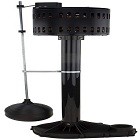
Pedestal sump pumps are a popular choice for basement flood protection. They differ from submersible sump pumps because their motor sits above the sump basin, keeping it dry and accessible.
While they have several advantages, they also come with a few drawbacks. Below is a breakdown of the pros and cons to help you decide if a pedestal sump pump is right for your home.
Pros of Pedestal Sump Pumps
Long-Lasting Durability
🔹 Because the motor stays above water, pedestal pumps tend to last longer than submersible pumps, often 15-25 years with proper maintenance.
Easier to Maintain
🔹 Since the motor is exposed, repairs and maintenance are much simpler compared to submersible pumps, which require removal from the sump pit.
Cost-Effective
🔹 Pedestal sump pumps are cheaper than submersible ones, making them a budget-friendly option for flood protection.
Suitable for Small Sump Pits
🔹 Ideal for narrow sump basins where submersible pumps wouldn’t fit.
Energy Efficient
🔹 Pedestal pumps typically use less power, making them more energy-efficient over time.
Cons of Pedestal Sump Pumps
Louder Operation
🔹 The exposed motor makes more noise than submersible pumps, which can be an issue if the sump pump is near a living area.
Less Powerful Than Submersible Pumps
🔹 While great for moderate flooding, they may struggle in high-water volume situations.
Exposed Motor = Higher Risk of Damage
🔹 Since the motor isn’t submerged, it can be damaged by dust, debris, or accidental impact.
Aesthetically Unappealing
🔹 The tall, exposed motor isn’t as discreet as a submersible pump, which stays hidden in the sump pit.
Is a Pedestal Sump Pump Right for You?
Choose a pedestal sump pump if:
- You want a long-lasting, budget-friendly option
- You have a small sump pit
- You need easy maintenance
Consider a submersible sump pump if:
- You need quieter operation
- You live in an area with heavy flooding
Final Thoughts
A pedestal sump pump is a crucial investment for home safety, preventing water damage and basement flooding. The best choice depends on your specific needs, including motor power, pumping capacity, and construction materials.
By selecting a high-quality model like the Superior Pump 92551 or Zoeller 84-0001, you can ensure a dry and protected home for years to come.
Frequently Asked Questions
Q: Can a pedestal sump pump get wet?
The motor of a pedestal sump pump should not get wet, as it sits above the sump basin and is not designed to be submerged. However, the pump shaft and intake can handle water.
Q: What is the difference between a pedestal pump and a submersible sump pump?
A: A pedestal sump pump has a motor that sits above the sump basin, staying dry, while a submersible sump pump is fully submerged in water. Pedestal pumps are more durable and easier to maintain, while submersible pumps are quieter and more powerful.
Q: Do pedestal pumps last longer?
A: Yes, pedestal sump pumps typically last longer than submersible pumps because their motors stay dry, reducing wear and tear. They can last 20-30 years with proper maintenance.
Q: Does a pedestal sump pump need a weep hole?
A: No, a pedestal sump pump does not need a weep hole because its motor sits above the water, reducing the risk of airlock issues that weep holes help prevent in submersible pumps.
Q: How do you clean a pedestal sump pump?
A: To clean a pedestal sump pump, unplug it, remove debris from the intake screen, wipe down the pump, and flush the basin with water. Check and clean the float switch to ensure proper operation.
Q: Does a pedestal sump pump need a check valve?
A: Yes, a pedestal sump pump needs a check valve to prevent water from flowing back into the sump pit after the pump turns off, reducing wear and extending its lifespan.
Q: Why won’t my pedestal sump pump shut off?
A: A pedestal sump pump may not shut off due to a stuck or faulty float switch, a clogged or blocked discharge pipe, or a pump that is too small for the water inflow. Check the switch, clean the discharge line, and ensure the pump is properly sized for your needs.
Most Popular Posts:
- Which Type of Camera Is Best for Home Security?
- The Best Window Alarm Sensors for Home Security
- Self Activating Fire Extinguisher: All You Need To Know
- Best Survival Food Kits Reviews [For Any Emergency]