Whether you’re a professional painter or a DIY enthusiast, using a proper respirator while spray painting is crucial. Spray paint contains harmful fumes and airborne particles that can damage your lungs and respiratory system if inhaled.
A good respirator not only ensures your safety but also enhances your performance by providing clean, comfortable airflow during the task.
In this guide, we’ll explore the top respirators for spray painting available today, compare their features, and help you choose the best one based on protection level, comfort, and usability.
Best Respirator For Spray Painting Reviews
1. Parcil Distribution Full Face Respirator Mask

- ADVANCED RESPIRATORY PROTECTION: This full face respirator mask bundled with filters offers comprehensive protection from organic vapors and particulates, ideal for painting, coating, agriculture, construction, manufacturing, wildfires, mining, epoxy resin, metal work, and automotive care.

- NIOSH-APPROVED OV RESPIRATORY PROTECTION: 3M Organic Vapor Cartridge 6001 helps reduce exposure to certain organic vapors encountered during activities involving latex and oil-based painting
3. AirGearPro G-500 Reusable Respirator For Spray Painting

- PROTECTION : The AirGearPro G-500 Respirator mask and Safety Goggles are CE certified to ensure your protection during painting, woodworking, construction, sanding, renovation, demolition etc.
Types Of Respirator Masks For Spray Painting

Here are the main types of respirator masks for spray painting, each designed to protect against specific hazards like paint fumes, vapors, and particulates:
Disposable Respirators (N95, P95, P100)
-
Description: Lightweight, single-use masks that filter out airborne particles.
-
Best For: Light-duty spray painting, sanding, or prep work.
-
Limitations: Not effective against gases or organic vapors; limited fit and comfort.
-
Common Ratings:
-
N95 – Filters 95% of non-oil particles
-
P95 – Filters 95% of oil-based and non-oil particles
-
P100 – Filters 99.97% of all particles
-
Half-Face Reusable Respirators
-
Description: Covers nose and mouth; used with replaceable cartridges/filters.
-
Best For: Home improvement projects, automotive painting, and general spray applications.
-
Filter Types: Can attach P100 particulate filters and OV (Organic Vapor) cartridges.
-
Advantages: Lightweight, versatile, reusable, and more protective than disposable masks.
Full-Face Reusable Respirators
-
Description: Covers entire face (eyes, nose, and mouth) for full respiratory and eye protection.
-
Best For: Professional spray painting, chemical handling, industrial work.
-
Features: Large lens for visibility, anti-fog coatings, and a sealed fit for complete coverage.
-
Advantages: Protects eyes from mist and chemical splashes; suitable for long-duration use.
Powered Air-Purifying Respirators (PAPR)
-
Description: Battery-powered units that pull air through filters and deliver it to a facepiece or hood.
-
Best For: Extended use in industrial or hazardous spray environments.
-
Benefits: Low breathing resistance, superior comfort, and high protection level.
-
Drawbacks: Expensive and less portable.
Supplied Air Respirators (SAR)
-
Description: Delivers clean air from an external source via a hose.
-
Best For: High-risk jobs like industrial spray booths or confined spaces with poor ventilation.
-
Advantages: Continuous supply of clean air; used in settings where filters alone are insufficient.
-
Drawbacks: Bulky and restricts mobility.
Final Tip:
When choosing a respirator for spray painting, always match the type of mask and filter cartridges to the specific materials you’re working with (e.g., solvent-based paints, isocyanates, or particulates).
Types Of Respiratory Mask Filters
Here are the main types of respiratory mask filters, especially relevant for spray painting, chemical handling, and dust protection. Each filter is designed to defend against specific airborne hazards like particles, vapors, and gases:
Particulate Filters
These filters block solid and liquid airborne particles (not gases or vapors). They are rated by efficiency and oil resistance:
Filter Code |
Efficiency |
Oil Resistance |
Use Case |
|---|---|---|---|
N95 |
95% |
Not oil-resistant |
Dust, sanding, pollen, non-oil mists |
R95 |
95% |
Oil-resistant |
Spray painting with light oils |
P95 |
95% |
Strong oil resistance |
More durable than R95 in oily environments |
P100 |
99.97% |
Strong oil resistance |
Best for fine particles, lead, asbestos, oil mists |
Best For: Sanding, grinding, painting prep, general dust protection
Gas and Vapor Cartridges
These cartridges filter chemical gases and vapors, but not particulates unless combined with a particulate filter.
Color Code |
Filter Type |
Use Case |
|---|---|---|
Black |
Organic Vapors (OV) |
Paints, solvents, degreasers |
Yellow |
Organic Vapors & Acid Gases |
Paint strippers, disinfectants, cleaners |
Green |
Ammonia/Methylamine |
Agriculture, industrial cleaning |
White |
Acid Gases |
Hydrochloric or sulfuric acid environments |
Purple |
Multi-Gas + Particulates (P100) |
Broad-spectrum protection |
Best For: Spray painting, chemical handling, industrial solvents
Combination Filters (Cartridge + Particulate)
These filters offer dual protection—against both particles and chemical vapors.
-
Example: Organic Vapor Cartridge + P100 filter
-
Used when both toxic fumes and particles are present
Best For: Spray painting, welding, pesticide application, mold removal
HEPA Filters (High-Efficiency Particulate Air)
-
Often used in PAPR (Powered Air-Purifying Respirators)
-
Filter out 99.97% of airborne particles
-
Excellent for medical, hazardous material cleanup, or heavy industrial work
Specialty Filters
Some masks include specialty filters designed for:
-
Formaldehyde (Magenta/Olive)
-
Mercury Vapor (Orange)
-
Radioactive particles (For nuclear/medical use)
Best For: Specialized or hazardous environments
Pro Tip:
Always check that the filter is compatible with your respirator (e.g., 3M bayonet, 40mm NATO, etc.) and that it matches the specific hazards of your project.
Benefits Of Using A Respirator For Spray Painting
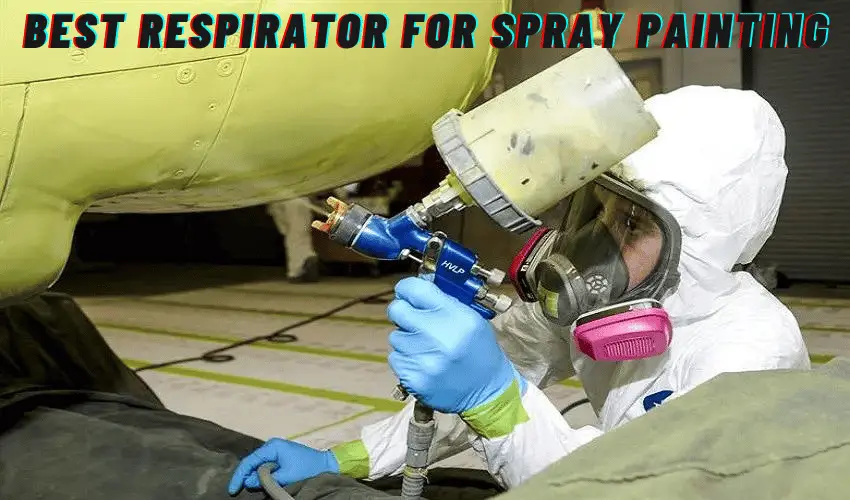
Here are the key benefits of using a respirator for spray painting, whether you’re a professional painter or a DIY hobbyist:
Protects Your Lungs from Harmful Chemicals
Spray paint contains volatile organic compounds (VOCs), solvents, and fine particulate matter. A respirator with the right filters prevents you from inhaling these toxic fumes, which can cause:
-
Headaches, dizziness, and nausea
-
Long-term respiratory issues
-
Liver, kidney, or nervous system damage (with prolonged exposure)
Prevents Inhalation of Fine Particles
Spray painting releases aerosolized paint particles that can linger in the air and penetrate deep into your lungs. Particulate filters (like P95 or P100) block these tiny paint droplets and dust particles effectively.
Improves Focus and Endurance
When you’re not fighting off chemical smells or struggling to breathe, you can focus better and work longer without fatigue or discomfort. A well-fitted respirator with proper airflow helps reduce heat and moisture buildup.
Protects Eyes and Skin (Full-Face Models)
Full-face respirators provide added eye protection, guarding against overspray and chemical splashes. This eliminates the need for separate goggles and reduces irritation from airborne particles or fumes.
Reduces Risk of Long-Term Health Problems
Repeated exposure to unfiltered spray paint can contribute to chronic respiratory illnesses, asthma, or even cancer. A respirator drastically reduces this risk, making it an essential investment for long-term health.
Meets Workplace Safety Requirements
Many industries require respirators to meet OSHA and NIOSH standards. Using an approved respirator ensures you’re compliant with safety regulations and reduces liability on job sites.
Reusable and Cost-Effective
Unlike disposable masks, reusable respirators are durable and economical over time. Replaceable filters make them easy to maintain while providing consistently high protection levels.
Respirator For Spray Painting Buying Guide
Determine the Type of Protection You Need
Spray painting exposes you to:
-
Organic vapors from solvents
-
Fine paint particulates
-
Sometimes oil-based aerosols
Look for respirators with:
-
OV (Organic Vapor) cartridges
-
P95 or P100 particulate filters
If you’re working with automotive or industrial paints, stronger protection (like full-face or combination filters) is necessary.
Choose the Right Respirator Type
Type |
Best For |
Coverage |
|---|---|---|
Half-Face |
DIY spray jobs, low to moderate exposure |
Nose & mouth only |
Full-Face |
Professional painting, high exposure |
Full face (eyes included) |
PAPR Systems |
Industrial, heavy-duty use |
Full face + filtered air flow |
Check Filter Compatibility
Filters and cartridges must match both:
-
Your respirator brand/model
-
The hazards in your work environment
Look for filters labeled:
-
OV (Organic Vapor)
-
P95 or P100 (depending on oil presence and particle size)
-
NIOSH-approved for certified safety standards
Comfort and Fit Matter
A respirator that doesn’t fit properly is ineffective. Look for:
-
Adjustable head straps
-
Soft silicone or thermoplastic face seals
-
Lightweight design for long wear
-
Cool flow valves to reduce heat buildup
Test the seal before use (most brands include fit test instructions).
Ease of Maintenance and Reusability
Reusable respirators are cost-effective long-term. Choose one that:
-
Has easy-to-replace filters
-
Can be disassembled and cleaned
-
Offers readily available accessories
Some brands (like 3M) offer interchangeable filters across multiple models.
Visibility and Field of View
For detailed spray work:
-
Full-face respirators should have anti-fog coatings and a wide field of vision.
-
Low-profile filter designs (on half-face masks) prevent obstruction.
Budget and Brand Reliability
Reliable brands often mean:
-
Better materials
-
More consistent quality
-
Easier access to replacement filters
Final Tips:
-
Don’t compromise on protection—your lungs and long-term health are at stake.
-
Match the respirator to your environment and project type.
-
Always read product specifications and ensure proper fit and seal before use.
Bottom Line
Spray painting without proper respiratory protection is not worth the risk. A well-designed respirator can protect you from serious health hazards while improving your painting experience.
Use this guide to choose a respirator that best fits your needs and always follow safety precautions during use.
 Frequently Asked Questions
1. What kind of respirator do I need for spray painting?
For spray painting, you need a respirator that protects against both organic vapors and fine particulates. Look for:
-
OV (Organic Vapor) cartridges for chemical fumes
-
P95 or P100 filters for airborne paint mist and dust
A half-face respirator is suitable for light to moderate jobs, while full-face models offer added eye protection and are ideal for professional use.
2. What’s the difference between P95 and P100 filters?
-
P95 filters block at least 95% of airborne particles and are resistant to oil-based aerosols.
-
P100 filters offer a higher level of protection, blocking 99.97% of particles and are strongly resistant to oil.
For most spray painting jobs, P100 filters are the best choice for maximum safety and longevity.
3. Can I use a dust mask or N95 for spray painting?
No, an N95 or basic dust mask is not enough for spray painting because it doesn’t protect against toxic vapors found in spray paint. These masks filter particles only and won’t block harmful gases and chemicals. You need a respirator with organic vapor cartridges.
4. How long do respirator filters last during spray painting?
Filter lifespan depends on:
-
Duration of use
-
Concentration of fumes
-
Humidity and air quality
As a general rule:
-
Cartridges: Replace when breathing becomes difficult or you smell chemical odors.
-
Particulate filters: Change when visibly dirty or airflow is restricted.
Always follow the manufacturer’s guidelines and replace filters regularly for safe use.
5. Are respirators reusable, and how do I maintain them?
Yes, most half-face and full-face respirators are reusable. Maintenance includes:
-
Cleaning the facepiece after each use with mild soap and water
-
Replacing filters and cartridges as needed
-
Storing in a clean, dry place, away from direct sunlight or contaminants
Never reuse disposable masks like N95s for spray painting tasks.
Related Resources:
- Best Eye Wash Station – Save Your Eyes From Damage
- Best Face Mask For Sun Protection
- Best Goggles For Dusty Conditions: Top Picks & Reviews
- Why Is Chemical Safety Important