Best Termite Bait Stations – Reviews & Buying Guide

Termite bait stations are one of the most practical ways to detect and control termites before they cause serious damage.

Instead of relying only on sprays or spot treatments, bait systems target termites where it matters most: the colony.


Best Termite Bait Stations


In this guide, we’ll break down the best termite bait stations and bait systems, how they work, and what to look for before buying.

How Termite Bait Stations Work

Termite bait systems are placed in the ground or around structures where termites are likely to travel. They usually work in two stages:

  1. Detection phase – termites are drawn to a monitoring station.
  2. Treatment phase – bait is introduced to eliminate or disrupt the colony.

Some systems focus on early detection, while others are designed for full colony control.

Best Termite Bait Stations Comparison Table

Advance Termite Bait Monitoring Stations(TBS)-Ten Stations 74493
Spectracide Terminate Termite Detection & Killing Stakes, Kills Foraging Termites, Detects Termite Activity, 15 Count
BASF Trelona Compressed Termite Bait - Subterranean Termite Control with Novaluron IGR - 6 Cartridges Box
Advance Termite Bait Monitoring Stations(TBS)-Ten Stations 74493
Spectracide Terminate Termite Detection & Killing Stakes, Kills Foraging Termites, Detects Termite Activity, 15 Count
BASF Trelona Compressed Termite Bait - Subterranean Termite Control with Novaluron IGR - 6 Cartridges Box
$165.00
$56.00
$58.00
Advance Termite Bait Monitoring Stations(TBS)-Ten Stations 74493
$165.00
Spectracide Terminate Termite Detection & Killing Stakes, Kills Foraging Termites, Detects Termite Activity, 15 Count
$56.00
BASF Trelona Compressed Termite Bait - Subterranean Termite Control with Novaluron IGR - 6 Cartridges Box
$58.00
Product
Type
Active Approach
What It Targets
Ease of Use
Best For
Key Strength
Main Limitation
Advance Termite Bait Monitoring Stations (10 Stations)
Monitoring station system
Detection-based monitoring (no termiticide in initial setup)
Subterranean termites
Moderate (installation + periodic checks)
Early detection around home perimeter
Wide coverage with 10-station layout for monitoring termite activity
Requires additional bait cartridges for full treatment
Spectracide Terminate Termite Detection & Killing Stakes (15 Count)
Detection + bait stakes
Pop-up indicators + bait-based killing system
Subterranean termites
Easy (DIY ground placement)
Homeowners wanting simple monitoring + light control
Combines detection and killing in one system
Not strong enough for heavy infestations
BASF Trelona Compressed Termite Bait (6 Cartridges)
Professional bait refill system
Colony control via ingestion (IGR Novaluron)
Subterranean termites
Moderate (requires compatible bait stations)
Long-term termite colony elimination strategy
Strong colony-level impact using BASF bait technology
Requires installed bait station system

Best Termite Bait Station Reviews

1. BASF 11480 Advance Termite Bait Stations (Best Do It Yourself Termite Bait Stations)
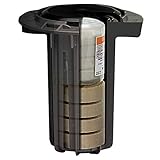
Advance Termite Bait Monitoring Stations(TBS)-Ten Stations 74493
  • Includes one CASE of TBS systems: 10 x Advance Termite Inspection Cartdrdge (TIC), 10 x TBS station, 10 x wood block for monitor

The Advance Termite Bait Monitoring Stations are a professional-style termite detection solution designed to help identify termite activity before treatment is needed.

This 10-station system includes monitoring stations, inspection cartridges, and wood blocks, making it a practical choice for homeowners who want an early warning system around their property.

It works as a monitoring tool without containing termiticide, allowing you to detect termites first and then upgrade to compatible treatment cartridges if activity is found.

The durable station design is made for outdoor installation and routine inspections.

The downside is that this system does not immediately kill termites and requires regular checking to catch activity early. It also does not include the opening tool, which may be inconvenient for some users.

Pros

  • Professional-grade termite monitoring system
  • Includes 10 complete monitoring stations
  • Helps detect termite activity early
  • Works with compatible termite treatment cartridges
  • No chemicals in the monitoring stage

Cons

  • Does not eliminate termites by itself
  • Requires regular inspections
  • Opening tool sold separately

Overall, the Advance Termite Bait Monitoring Stations are an excellent option for homeowners who want proactive termite detection and a reliable way to protect their property before damage becomes severe.


2. Spectracide HG-96115 Terminate Termite Detection & Killing Stakes2
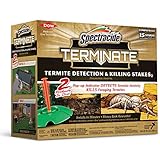
Spectracide Terminate Termite Detection & Killing Stakes, Kills Foraging Termites, Detects Termite Activity, 15 Count
  • Two termite products IN one: pop-up indicators detect termite activity, and the stakes kill foraging termites

The Spectracide Terminate Termite Detection & Killing Stakes are designed to help homeowners detect and control termite activity around the home.

This bait stake system uses built-in pop-up indicators to show when termites are feeding, while the bait helps kill foraging termites.

The kit includes 15 stakes, locator shields, and a digging tool for easy installation around the exterior of your property.

This system functions as both a termite detection and killing solution, helping identify termite activity before major damage occurs.

Pros

  • Pop-up indicators help reveal termite activity while the bait targets foraging termites
  • Stakes can be placed in the ground quickly with the included digging tool
  • The 15-count package provides multiple monitoring points around your home
  • A practical choice for preventative termite monitoring and early detection

Cons

  • Stakes need to be checked often to monitor termite activity
  • Heavy termite problems may require professional treatment
  • Designed for placement around the home perimeter rather than indoor termite control

The Spectracide Terminate Termite Detection & Killing Stakes are a convenient option for homeowners looking for an affordable way to monitor termite activity and provide early protection. They work best as part of a preventative termite control plan.


3. BASF Trelona Compressed Termite Bait (Trelona Termite Bait Stations Reviews)

The BASF Trelona Compressed Termite Bait is a professional-style termite control option designed for use in termite bait stations targeting subterranean termites.

Each cartridge contains a compressed bait formula with Novaluron IGR, which works when termites feed on it and spread the active ingredient through colony behavior.

The 6-cartridge box provides a convenient refill option for compatible BASF termite bait systems.

This bait is designed for long-term termite control and works best when used with a proper bait station monitoring system.

Pros

  • Uses termite feeding and transfer behavior to help control subterranean termites
  • Simple compressed bait design makes station maintenance convenient
  • BASF is a trusted name in termite control products
  • Works as part of an ongoing termite monitoring and baiting program.

Cons

  • Not a standalone product and needs the proper bait station setup
  • Designed specifically for subterranean termites
  • Not available for sale in some states

The BASF Trelona Compressed Termite Bait is a reliable choice for homeowners and professionals looking for a refillable termite bait solution.

It is best suited for preventive termite management and ongoing colony control when paired with the correct monitoring system.


Why Do You Need Termite Bait Stations?

Why Do You Need Termite Bait Stations

Termite bait stations are essential for several reasons:

  1. Early Detection: Termite bait stations serve as monitoring devices to detect termite activity early. By strategically placing bait stations around the property, homeowners can identify termite colonies before they cause significant damage to structures.
  2. Termite Control: Once termite activity is detected, bait stations become an integral part of termite control strategies. They are designed to attract termites and deliver a lethal dose of bait, ultimately eliminating the termite colony.
  3. Non-Invasive Treatment: Unlike traditional chemical treatments, termite bait stations offer a non-invasive approach to termite control. They do not require drilling or extensive disruption to the property, making them an ideal choice for environmentally conscious homeowners.
  4. Continuous Protection: Termite bait stations provide continuous protection against termite infestations. Regular monitoring and bait replenishment ensure ongoing control, reducing the risk of termite damage over time.
  5. Peace of Mind: Installing termite bait stations provides homeowners with peace of mind knowing that their property is protected against termite infestations. It allows them to proactively manage termite threats and safeguard their investment in their home.

Important Factors To Consider Before Installing Termite Bait Stations

Before installing termite bait stations, there are several important factors to understand and prepare for in order to make sure the system works effectively and provides real protection for your property.

What to Look for When Buying Termite Bait Stations

Tips for Installing Termite Bait Stations [Step by Step]

Before choosing a system, consider these factors:

1. Monitoring vs. Treatment

Some systems only detect termites, while others actively eliminate them. Monitoring alone won’t solve an infestation.

2. Coverage Area

More stations usually mean better protection around your home’s perimeter.

3. Ease of Maintenance

You’ll need to check stations regularly, so choose a system that fits your routine.

4. Compatibility

Some bait systems require specific cartridges or station types.

5. Level of Infestation

  • Prevention → monitoring stations
  • Light activity → detection + bait systems
  • Active infestation → professional-grade bait systems

Where Do You Put Termite Bait Stations?

Where Do You Put Termite Bait Stations

Placing termite bait stations strategically is crucial for effective termite control. Here are some key considerations for where to position termite bait stations:

  1. Around Perimeter: Install bait stations around the perimeter of your property, particularly in areas where termites are likely to enter, such as near foundations, exterior walls, and utility penetrations. This perimeter placement creates a protective barrier against termite intrusion.
  2. Near Moisture Sources: Termites are attracted to moisture, so place bait stations near sources of water or moisture, such as leaky pipes, faucets, air conditioning units, and downspouts. Moist areas provide favorable conditions for termite activity and increase the likelihood of attracting termites to bait stations.
  3. In Soil or Mulch: Bury bait stations in the soil or mulch around your property. Ensure that the stations are installed below ground level to facilitate termite access and concealment. Termites forage underground, making soil placement an effective way to intercept termite colonies.
  4. Adjacent to Structures: Position bait stations adjacent to structures, such as homes, sheds, decks, and fences, where termites may establish nests or forage for food. Placing bait stations near these structures enhances their efficacy in intercepting termites and preventing structural damage.
  5. Strategic Locations: Place bait stations in strategic locations based on termite activity patterns and conducive conditions. Conduct a thorough inspection of your property to identify signs of termite activity, such as mud tubes, wood damage, or swarmers. Focus on areas with evidence of termites and prioritize bait station placement accordingly.
  6. Regular Intervals: Space bait stations at regular intervals around the perimeter of your property to ensure comprehensive termite monitoring and treatment coverage. Follow manufacturer guidelines regarding recommended spacing and placement density for optimal results.
  7. Professional Assessment: Consider seeking assistance from pest control professionals for expert assessment and placement of termite bait stations. Pest control experts can conduct thorough inspections, identify termite entry points and activity hotspots, and strategically position bait stations for maximum effectiveness.

By strategically placing termite bait stations in key locations around your property, you can intercept termite activity, monitor for infestations, and implement targeted treatment measures to control termite populations effectively.

Regular monitoring and maintenance of bait stations are essential to ensure continued protection against termite damage.

Conclusion

These are just a few examples of the best termite bait stations available. When choosing a termite bait system, it’s essential to consider factors such as effectiveness, ease of installation, and long-term protection.

Consulting with a professional pest control expert can also help determine the best solution for your specific termite infestation.


Frequently Asked Questions


1. How do termite bait stations work?
They attract termites to a baited station, where they consume the material and carry it back to the colony, helping reduce or eliminate it over time.

2. Where should termite bait stations be placed?
They are usually installed around the perimeter of a home, especially near moist soil, wood contact areas, and known termite activity zones.

3. How often should bait stations be checked?
Most systems should be inspected every 2 to 3 months to monitor termite activity and replace bait if needed.

4. Can bait stations completely eliminate termites?
Yes, in many cases they can eliminate colonies, but results depend on correct placement, regular monitoring, and infestation level.

5. Are termite bait stations better than sprays?
Bait stations are better for long-term colony control, while sprays are mainly useful for quick, localized treatment.


Related Resources: