Roofing is one of the most physically demanding trades, and your knees take a serious beating every day on the job.
Whether you’re installing shingles, repairing flashing, or handling long hours on steep slopes, quality knee pads for roofing are not optional—they’re essential.
The right pair protects your joints, improves comfort, and helps prevent long-term injuries.
In this guide, we’ll break down everything you need to know about the best knee pads for roofing, including what features matter most, the different types available, and top product recommendations trusted by professionals.
Why Knee Pads For Roofing Are Essential

Roofers spend hours kneeling on hard, uneven, and abrasive surfaces. Without proper protection, this can lead to:
-
Chronic knee pain and inflammation
-
Bruising and joint strain
-
Long-term conditions like bursitis or arthritis
-
Reduced productivity due to discomfort
Roofing-specific knee pads provide cushioning, stability, and slip resistance, allowing you to work longer and safer without sacrificing mobility.
Key Features to Look for in Knee Pads For Roofing
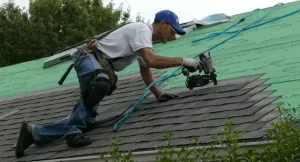
Cushioning & Impact Protection
High-density foam or gel padding absorbs pressure from shingles, nails, and roof decking. For roofing, thicker padding is better—especially for all-day jobs.
Non-Slip Outer Shell
A textured or rubberized cap helps prevent slipping on sloped roofs, increasing stability and safety.
Comfort & Ergonomics
Look for knee pads that contour naturally to your knee. Ergonomic designs reduce pressure points and prevent circulation issues.
Secure Straps
Wide, adjustable straps (preferably with neoprene backing) prevent slipping without cutting into the back of your leg.
Durability
Roofing knee pads should withstand rough surfaces, sharp debris, and constant movement. Reinforced stitching and abrasion-resistant materials are a must.
Types of Knee Pads for Roofing
Hard Cap Knee Pads
-
Best for rough or uneven roofing surfaces
-
Excellent protection and stability
-
Ideal for professional roofers
Soft Cap Knee Pads
-
Lightweight and flexible
-
Better for light-duty work or short jobs
-
Less protection on harsh surfaces
Gel Knee Pads
-
Superior comfort and pressure distribution
-
Great for long hours kneeling
-
Popular among contractors and installers
Integrated Work-Pant Knee Pads
-
Built directly into work pants
-
Convenient but usually less protective
-
Best for light roofing tasks
Best Knee Pads for Roofing Comparison Table


Best Knee Pads for Roofing Reviews
1. NoCry Professional Knee Pads for roofing
NoCry Professional Knee Pads stand out for their durable construction, comfort, and reliable protection. Featuring heavy-duty foam padding, a soft gel core, reinforced straps, and quick-release clips, they’re built for demanding roofing and jobsite work.
The ergonomic design, breathable materials, and tough protective shell ensure a secure, comfortable fit across many tasks—all at an affordable price.
What We Like
- High-Quality Construction & Materials
- Military Grade Rivets
- Water & Dirt Resistant
- Reinforced Stitching
What We Dont Like
- Straps don’t tighten that well
2. REXBETI Knee Pads for Roofing
REXBETI Knee Pads are a solid choice for construction and roofing, thanks to their heavy-duty build and comfortable gel cushioning.
They feature double-thick gel and high-density foam for excellent shock absorption, along with upgraded high-elastic, non-slip thigh straps that keep the pads securely in place all day.
Reinforced stitching and a tough PVC shell protect against hazards like nails, stones, and glass, making these knee pads durable, comfortable, and versatile for roofing, flooring, construction, gardening, and other demanding tasks.
What We Like
- Heavy Duty PVC Shell
- 4 Extra Extension Straps
- Non-Slip Thigh Support Design
- Reinforced Stitching
What We Dont Like
- Straps don’t tighten that well
- The strap behind the knee is not comfortable
3. BALENNZ Professional Knee Pads for Roofing
BALENNZ Professional Knee Pads offer reliable comfort and protection for roofing and other demanding tasks. Built with gel cushioning, heavy-duty foam padding, and strong double straps, they provide excellent knee support for both indoor and outdoor work.
A thick poly shield guards against cuts and scrapes, while durable EVA foam and heavy-weight nylon stitching ensure long-lasting performance.
Breathable materials help keep knees cool and dry, and adjustable clips with secure double straps prevent slipping. These versatile knee pads are well suited for roofing, construction, flooring, gardening, carpentry, welding, and more.
What We Like
- Heavy Duty Construction
- Slip Buckle Clips for Stability
- Soft interior gel core
- Unisex Design
What We Dont Like
- The upper strap is not comfortable and may cut your skin
4. NoCry Flooring and Roofing Knee Pads
NoCry Flooring and Roofing Knee Pads are designed for both protection and surface safety. Made from durable materials like 600D polyester, leather, plastic, and neoprene, they feature soft foam padding, no-slip leather stabilizers, strong double straps, and adjustable easy-fix clips.
The non-slip design prevents rolling and drag marks, making them safe for delicate surfaces such as vinyl flooring or metal roofing.
Lightweight and comfortable, these knee pads fit up to 22 inches and provide excellent kneecap protection on hard or slippery surfaces. Ideal for professionals and DIYers alike, they’re well suited for roofing, tiling, carpet installation, and floor cleaning.
What We Like
- Heavy Duty Materials
- Easy To Clean
- Excellent Knee Support
- Great Price
What We Dont Like
- Straps can pinch the back of the knee
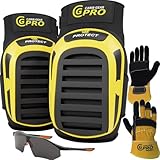
5. Carib Gear Pro Knee Pads for roofing
CARIB GEAR PRO heavy-duty knee pads are built for demanding jobs like construction, roofing, tiling, flooring, and gardening.
Designed with extra gel and cushioning, they provide long-lasting knee support and strong protection on hard surfaces such as metal, concrete, and hardwood.
The set offers excellent value by including knee pads along with leather gloves and safety glasses. Featuring foam-encased double gel construction, slip-resistant materials, and an ergonomic, lightweight design, these knee pads deliver all-day comfort, durability, and reliable impact resistance while allowing easy movement and a secure fit.
What We Like
- Non Slip Thigh Support
- Complete Kit includes knee pads, leather gloves, and safety glasses
- Long Thick Expandable Straps
- 365 Day Money Back Guarantee
What We Dont Like
- Bulky for some people
How to Properly Wear Knee Pads For Roofing
-
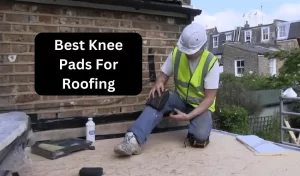
Position pads directly over your kneecap
-
Tighten straps enough to prevent slipping—never cut off circulation
-
Adjust throughout the day for maximum comfort
-
Take breaks to relieve pressure and improve blood flow
Maintenance Tips to Extend Knee Pad Life
-
Clean regularly to remove dirt and shingle grit
-
Air-dry after use to prevent odor buildup
-
Inspect straps and stitching for wear
-
Replace padding once compression reduces effectiveness
Frequently Asked Questions
1. Why are knee pads important for roofing work?
Roofing requires frequent kneeling on hard, uneven, and often sharp surfaces. Knee pads reduce pressure on the knees, prevent long-term joint damage, and protect against cuts, nails, and abrasions. They also improve comfort and stability, allowing roofers to work longer and safer.
2. What features should I look for in roofing knee pads?
The best knee pads for roofing should have thick foam or gel cushioning, a durable hard or poly shell, slip-resistant surfaces, adjustable straps, and breathable materials. Ergonomic designs that contour to the knee help reduce fatigue during long hours of work.
3. Are gel knee pads better than foam knee pads for roofing?
Gel knee pads generally provide better shock absorption and pressure distribution, making them ideal for roofing and construction work. Foam knee pads are lighter and more flexible but may not offer the same level of comfort for extended kneeling on hard surfaces. Many top models combine both gel and foam for maximum comfort.
4. Will knee pads damage metal or shingle roofs?
Not if you choose the right pair. Roofing-specific knee pads often feature non-marking, non-slip surfaces made from rubber, leather, or soft polymer materials. These designs prevent scratches, scuffs, and drag marks on metal roofing, shingles, and finished surfaces.
5. How tight should roofing knee pads fit?
Knee pads should fit snugly without cutting off circulation. Adjustable straps—especially elastic or neoprene ones—help keep pads securely in place without slipping. A proper fit ensures comfort, stability, and effective protection throughout the workday.
Final Thoughts
Choosing the best knee pads for roofing is an investment in your health, comfort, and job performance. Whether you’re a professional roofer or a DIY homeowner, the right knee pads can dramatically reduce strain and help you work safer and longer.
Focus on comfort, durability, non-slip protection, and proper fit, and you’ll quickly notice the difference on the roof. Your knees will thank you.
Most Popular Posts:
- Best Steel Toe Work Boots: Reviews & Buying Guide
- Clear or Tinted Safety Glasses: Which Is The Best?
- Best Goggles For Dusty Conditions: Top Picks & Reviews
- UV Protective Gloves: A Complete Guide
- Best Safety Harness Reviews With Ultimate Buying Guide